Friday, 11 October 2013

WHAT'S THE REACHING OF THE PROBLEM?


The reaching of the problem is in all the world, as you can see in the consequences, there are very different types of species in danger of extintion and affects in all the world. It affects the most in all the Amazonic jungle and the people who lives there. There's a lot of unknown extinct species in Amazon Jungle and we don't want that anymore and like this we can help.

WHAT THE PROBLEM CONSISTS IN?


The problem consists in the endangered species in the world. Actually there’s a lot of endangered species, as the Bengal Tiger, Panda Bear, the Iberian Lynx, the Sea Turtle, the Wales, the Grizzly Bear and more… And every time are more species endangered and we must to stop that.

WHAT CAN WE DO TO HELP?

Conserve Habitats
  • One of the most important ways to help animals survive is to protect their habitats permanently in national parks, nature reserves or wilderness areas. There they can live without too much interference from humans.


Recycle, Reduce, And Reuse
  • Encourage your family to take public transportation. Walk or ride bicycles rather than using the car.
  • Save energy by turning off lights, radios and the TV when you are not using them.
  • Turn off the tap while you brush your teeth.

Control Introduced Plants And Animals
  • Non-native plants and animals are ones that come from outside your local area.
  • Controlling these foreign species is an important step in protecting wildlife.


Join An Organization
  • There are many community groups working on conservation activities. Join an organization in your area and start helping today!

WHAT IS THE PROBLEM?

There are a lot of kinds of problems in endangered species here, we've put the most important problems:

Climatic Heating and Cooling
Climate Change is caused by a number of things. The biodiverse Earth can't keep up with the rapid changes in temperature and climate. The species are not used to severe weather conditions and long seasons, or a changing chemical make-up of their surroundings. As more species die, it is only making it more difficult for the survivors to find food. The warmer climates we are used to present-day are perfect for diseases and epidemics to thrive.

Changes in Sea Levels or Currents
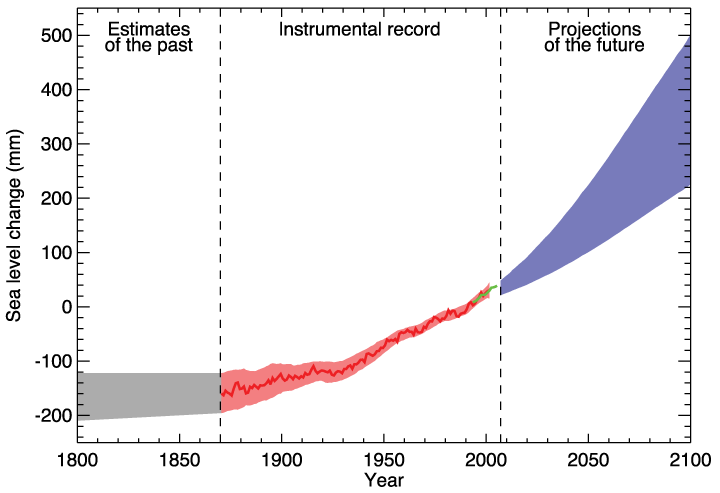
The changes in sea levels and currents is a result, in part, of the melting freshwater. The denser, saltier water sinks and forms the currents that marine life depends on. Ocean floor spreading and rising also affects sea level. A small rise in the ocean floor can displace a lot of water onto land that is all ready occupied. The gases from the volcanic activity can also be absorbed by the water, thus changing the chemical composition, making it unsuitable for some life.

Disease/Epidemic
Each species has defense mechanisms like immunities and the ability to fight disease. With the changing climate and landscape certain species are losing their ability to fend off disease. They are becoming more susceptible to disease and epidemics, which can lead to their eventual extinction.

Top Human Causes of Extinction
- Increased human population
- Destruction/Fragmentation of Habitat
- Pollution

- Climate Change/Global Warming

DIBBLER


The dibbler is an endangered species of marsupial. It lives in South Australia but this specie have many predators and this is a problem. Only it's endangered, but how it have a lot of predators he's going to be critically endangered. The dibbler is  between 10 to 16 cm long with a 7.5 to 12 cm tail; it weighs from 40 to 125g. A lot of them are in Perth Zoo, and they want to put more in wild. This is our objective with the Dibbler.


IBERIAN LYNX


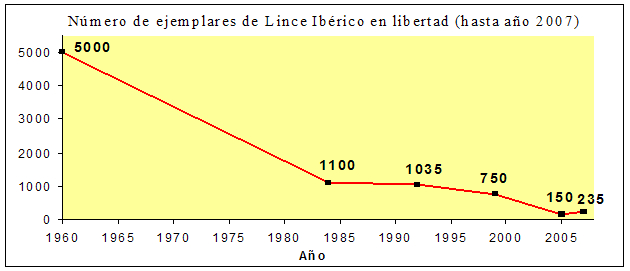
The Iberian Lynx is a lynx situated in the south of the Iberic Pensinsul and it is critically endangered because of the poaching of the 20th century. They live in Sierra Morena, Spain. Actually there's 80 lynx in wild, and 14 in captivity. An example of that is than in 20th Century there was 235 Iberian Lynx and actually only 80. This is the problem

BENGAL TIGER

The Bengal tiger is a endangered tiger of Asia. The causes are specially the poaching. Actually there's 1758 Bengal tigers in wild. There's a lot of furtive hunters who kills them and the number of Bengal Tigers is every time lower.